Gandhi jayanthi
Oct 02, 2026
Advanced treatment for prostate, kidney, bladder, and male infertility

From robotic surgeries to sexual health solutions under one roof

Trusted expert in prostate enlargement, kidney stones, and fertility care

Minimally invasive solutions for complex urological and andrological conditions

.png)
.png)
.png)
.png)

I consulted Dr. Naidu for kidney stone treatment, and his expertise was evident from the start. The procedure was smooth, recovery was quick, and he explained everything clearly. Truly a compassionate and skilled urologist
About Us
Years of Experience
Patients Treated WIth Urological Conditions
Infertility Cases Treated in Men
Happy Patients













Stay informed with our latest updates, posts, announcements, and healthcare news

Gandhi jayanthi
Oct 02, 2026
May the blessings of Lord Ganesha bring peace to your heart, strength to your jo...See More
Sep 13, 2026
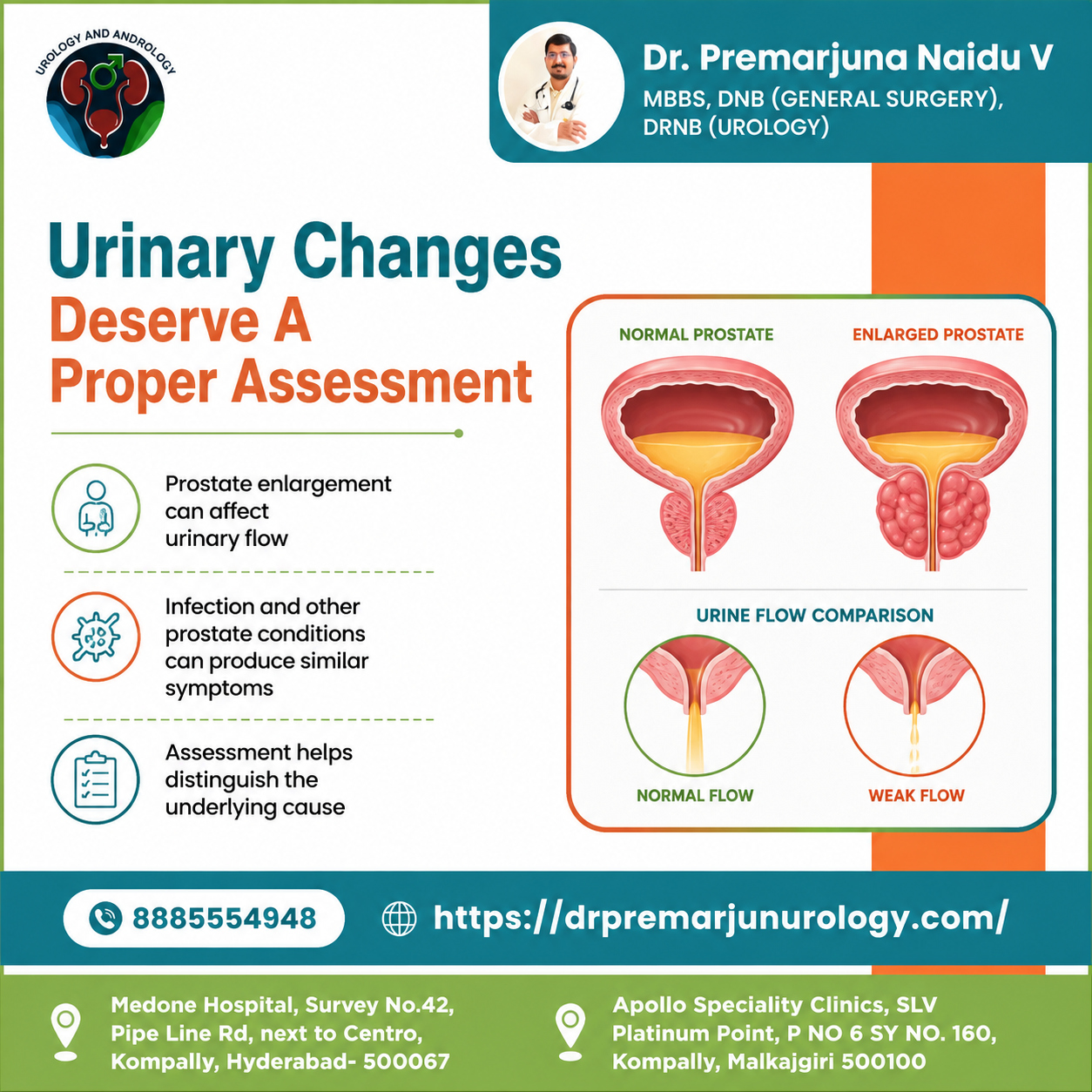
Urinary changes become more common with age, but they should not automatically b...See More
Sep 01, 2026

Behind every diagnosis, treatment, and recovery is a doctor dedicated to making ...See More
Jul 01, 2026

International Day of Yoga is a reminder of the connection between physical healt...See More
Jun 21, 2026

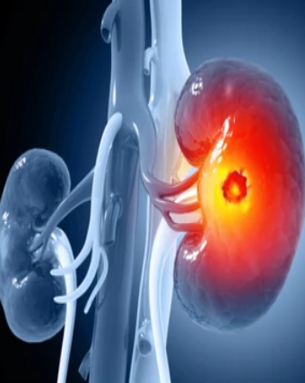
World Kidney Cancer Day highlights the importance of awareness, timely evaluatio...See More
Jun 18, 2026

World Blood Donor Day recognizes the generosity of voluntary blood donors and th...See More
Jun 14, 2026

Small healthy habits create long-term balance and better living. #HealthQuote #H...See More
May 21, 2026

Changes in your urinary habits should never be ignored or self-treated repeatedl...See More
May 16, 2026

Care that never stops. Respect that never fades. #NursesDay #HealthcareHeroes #P...See More
May 13, 2026
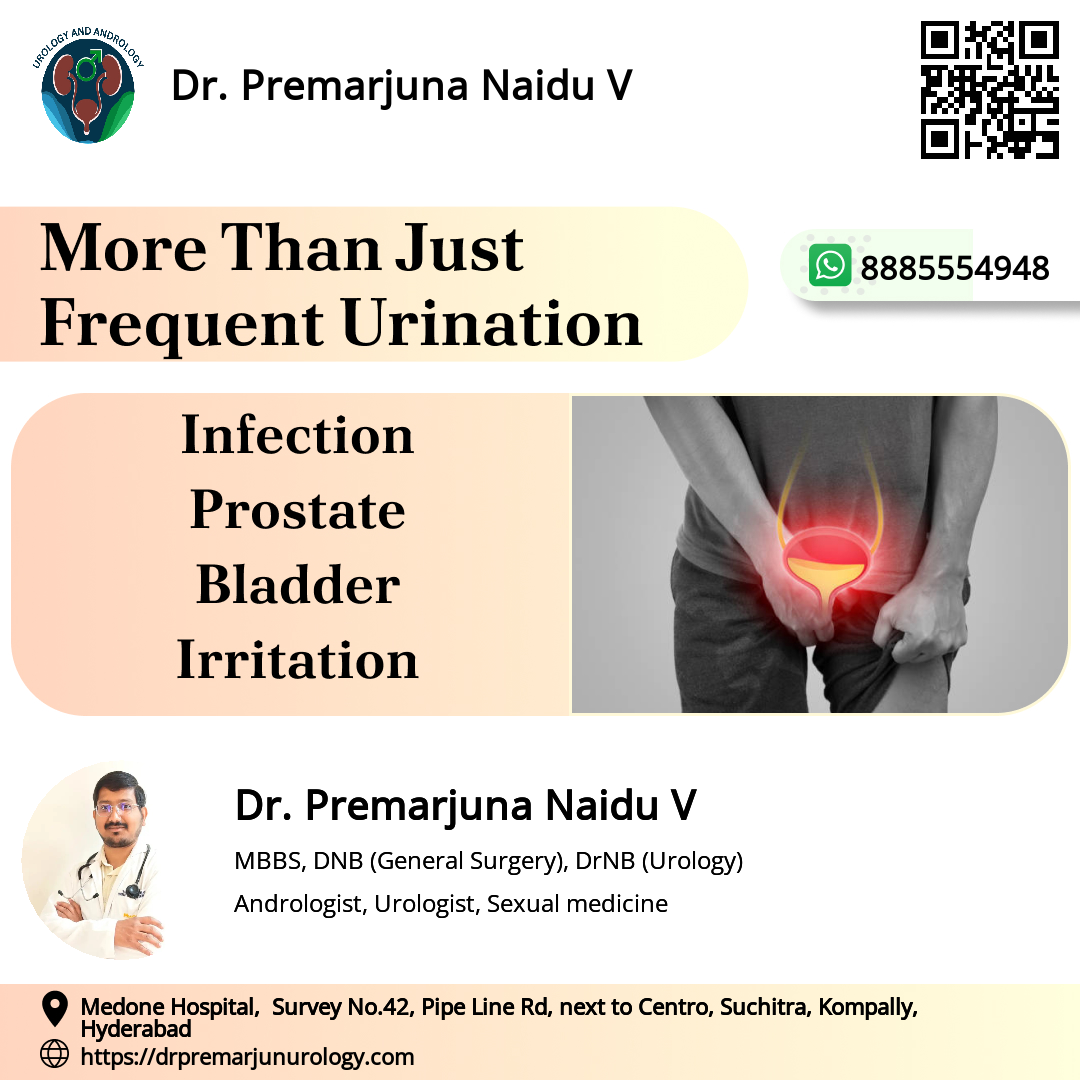
Frequency has underlying causes #Urology #MensHealth #UrinaryCare
May 10, 2026

A tribute to motherhood and unconditional support. #MothersDay #Celebration #Unc...See More
May 10, 2026

Represented at Fusicon 2026 – 4th Annual Conference of the Functional and Female...See More
Apr 22, 2026
Frequent nighttime urination may signal prostate, diabetes, or kidney concerns #...See More
Apr 16, 2026
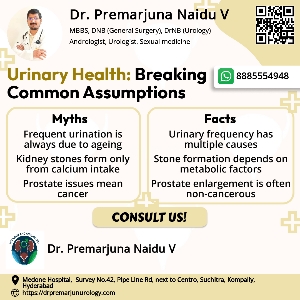
Don’t let misconceptions delay the right care—clarity saves more than assumption...See More
Feb 15, 2026
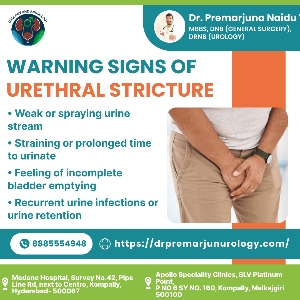
A weak or spraying urine stream isn’t normal. These may be early signs of urethr...See More
Feb 05, 2026

Many cancers are preventable through healthy lifestyle choices, vaccinations, an...See More
Feb 05, 2026
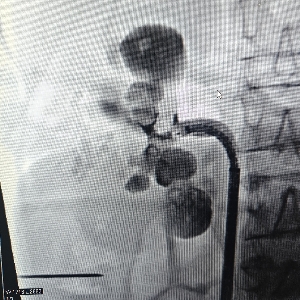
Complicated stone disease involves kidney stones that cause significant obstruct...See More
Jan 13, 2026

Wishing you a joyous Bogi filled with warmth, happiness, and prosperity. May thi...See More
Jan 13, 2026

Managing BPH involves medications, lifestyle changes, and minimally invasive pro...See More
Jan 08, 2026
Start the year by giving the gift of life. Donate blood this January! #BloodDona...See More
Jan 08, 2026
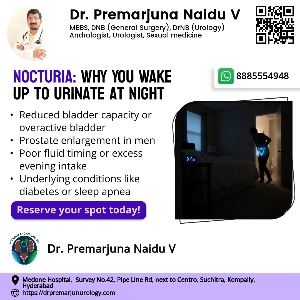
Waking up multiple times at night to urinate isn’t just “normal aging.” Identify...See More
Jan 08, 2026

Cheers to the end of 2025, a year of growth and discovery! Reflect on the milest...See More
Dec 31, 2025

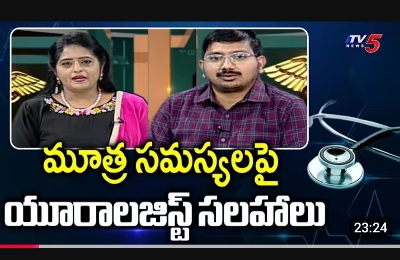
I'm excited to talk about prostate issues on TV5. Prostate health is a crucial t...See More
Nov 23, 2025
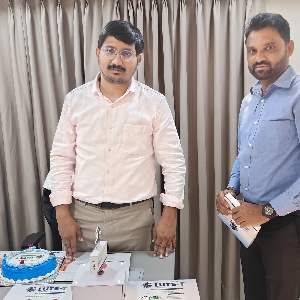
Ipca has launched its latest drug combination, LUTS-T, which includes Alfuzosin ...See More
Sep 05, 2025
Andrologist, Urologist

Our Latest Videos




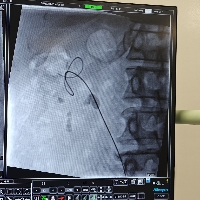














Need Answers? Find them here...
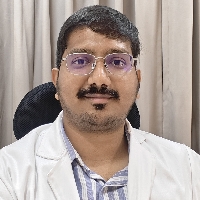
Dr. Premarjuna Naidu V is a distinguished Consultant Urologist, Andrologist, and Male Infertility Specialist in Hyderabad with over 13 years of clinical experience. He completed his MBBS from SVMC Tirupati, pursued a DNB in General Surgery from IGGGH & PGI Pondicherry, and earned a DrNB in Urology from Narayana Hrudayalaya, Bangalore. His diverse expertise covers diagnoses and management of various urological conditions, encompassing kidney stones, urinary infections, prostate issues, cancers, male infertility, and reconstructive surgeries.
Dr. Premarjuna Naidu V specializes in male infertility and offers an extensive range of diagnostic and therapeutic solutions. With his advanced training and over 13 years of clinical experience, he addresses the complexities of male infertility, alongside urological disorders like kidney stone disease, UTIs, prostate enlargement, and urological cancers. His proficiency in minimally invasive and laparoscopic surgeries, along with research involvement and academic contributions, highlights his dedicated approach to solving infertility and enhancing male reproductive health in Hyderabad.
Male sexual health and infertility treatment focuses on diagnosing and managing conditions affecting sexual function and fertility. This can include issues like erectile dysfunction, low libido, hormonal imbalances, and blocked sperm ducts. Treatment options are tailored to individual needs and may involve medication, lifestyle changes, or surgical interventions. Early consultation with a specialist is crucial for addressing these concerns effectively.
Renal stone disease management involves diagnosing the type and cause of kidney stones and creating a personalized treatment plan. Approaches may include increasing fluid intake, dietary modifications, medications to dissolve certain stones, or procedures like lithotripsy to break stones into smaller pieces. In some cases, endoscopic or surgical removal may be necessary. Regular follow-ups are essential to prevent recurrence and manage symptoms efficiently.
Common symptoms of urinary tract infections (UTI) include a burning sensation during urination, frequent urge to urinate even when the bladder is empty, cloudy or strong-smelling urine, and pelvic pain, particularly in the center of the pelvis. For men, UTI symptoms may also include rectal pain. A urologist can provide appropriate care and treatment to alleviate symptoms and eliminate the infection effectively.
Prostate enlargement, or benign prostatic hyperplasia (BPH), is diagnosed through patient history, physical examination, and tests like blood tests, urinalysis, or ultrasound. Treatment options vary based on severity and may include lifestyle changes, medication to relax the prostate muscles or shrink the prostate, and, in some cases, surgical procedures. A urologist will tailor treatment to the individual's needs and monitor progress closely.
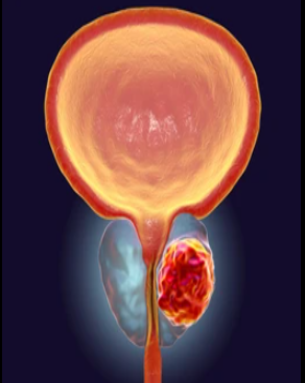
Early signs of prostate cancer can be minimal or similar to benign prostate conditions, often including difficulty in urinating, decreased flow of urine, frequent urination, especially at night, and pelvic discomfort. Regular screening, such as PSA blood testing or digital rectal exams, is vital for early detection, especially in those with a family history of prostate cancer or other risk factors.
Comprehensive urology care encompasses a wide range of services for conditions affecting the urinary tract and male reproductive system. This includes diagnosis and treatment of kidney stones, urinary tract infections, male infertility issues, prostate enlargement, and cancers affecting the prostate, bladder, and kidneys. With a multidisciplinary approach, urologists collaborate with other specialists to ensure a holistic treatment plan tailored to each patient's needs.
Diet plays a crucial role in managing male infertility as certain nutrients can boost sperm health and overall reproductive function. A diet rich in antioxidants, vitamins like C and E, zinc, and omega-3 fatty acids can improve sperm quality and count. Avoiding excessive caffeine, alcohol, and processed foods can also beneficially impact fertility. A male infertility specialist can provide a personalized dietary plan to support fertility goals.
Kidney stones can indirectly affect male fertility by causing pain, stress, and sometimes infections that impact overall health. While they do not directly lead to infertility, the underlying conditions, such as metabolic disorders, leading to stone formation, can sometimes affect reproductive health. It’s essential for men with recurrent kidney stones to consult with a urologist to address both the stones and any potential fertility implications.
Recurrent urinary tract infections in men require comprehensive evaluation to identify underlying causes, which may include prostate issues or urinary tract abnormalities. Management involves addressing these causes with appropriate treatments, such as antibiotics, prostate enlargement treatment, or surgical correction. Preventative strategies, like ensuring adequate hydration, regular voiding habits, and sometimes prophylactic medication, are also crucial in preventing future infections and maintaining urinary health.
Lifestyle changes that can help prevent or manage prostate enlargement include maintaining a healthy weight, engaging in regular physical activities, and adopting a balanced diet rich in fruits, vegetables, and healthy fats. Reducing caffeine and alcohol intake, avoiding overly spicy foods, and staying hydrated are beneficial as well. Men are encouraged to engage in regular health screenings and consultations with a urologist to monitor prostate health proactively.
 Address :MedOne Hospital, Suchitra Junction, Kompally, Hyderabad 500067, Telangana